When people talk about successful students, they usually mention grades first. It’s understandable because grades are easy to see and compare. But I’ve often wondered whether they really show the whole picture. A report card can show scores, but it can’t show how much effort a student put in, what challenges they faced, or what…


Beyond the Report Card
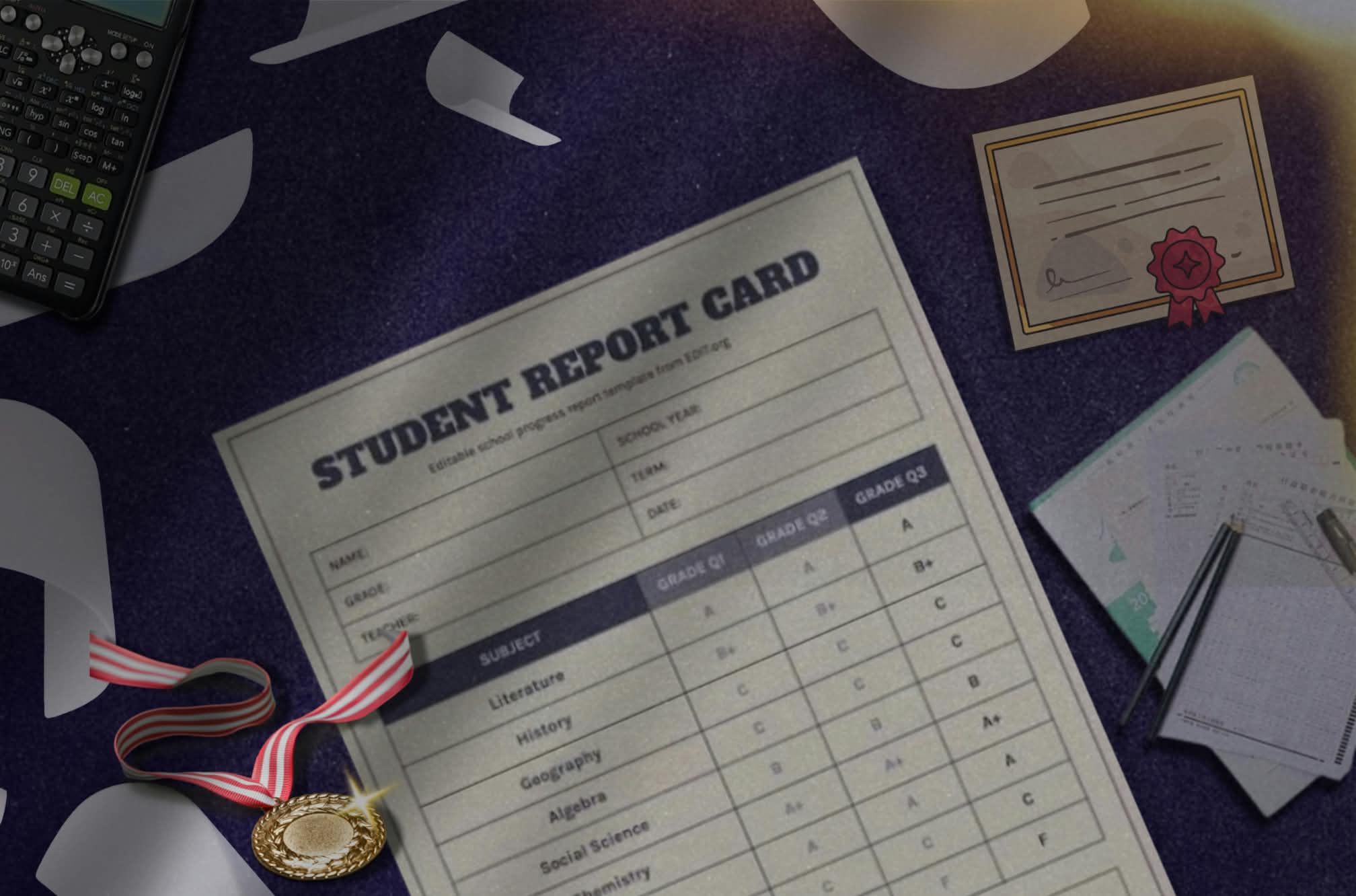
When people talk about successful students, they usually mention grades first. It’s understandable because grades are easy to see and compare. But I’ve often wondered whether they really show the whole picture. A report card can show scores, but it can’t show how much effort a student put in, what challenges they faced, or what was happening in their life outside school. Sometimes people focus so much on numbers that they forget there’s an actual person behind them.
A lot of students grow up hearing how important good grades are. There’s nothing wrong with wanting to do well, but the pressure can become overwhelming. Some students are afraid of disappointing their parents. Others worry they’ll fall behind their classmates. I’ve noticed that even students who get good grades don’t always feel confident about themselves. Instead of celebrating what they’ve achieved, they’re already worrying about the next test, the next project, or the next report card.
Social media doesn’t exactly help. Every time students open their phones, they see people posting awards, certificates, or academic achievements. Of course, there’s nothing wrong with being proud of accomplishments. The problem starts when people constantly compare themselves to everyone else. Suddenly, their own progress doesn’t seem good enough anymore.
This pressure isn’t just something students make up. According to the OECD’s PISA 2022 findings, around 65% of students across OECD countries were worried about getting poor marks in mathematics. Even though that statistic focuses on math, I think it says something bigger about the pressure many students feel in general. Worrying about grades has become so common that people sometimes treat it like a normal part of being a student.
What bothers me is that students often begin to connect their grades to their value as a person. A bad score can ruin someone’s entire week. One mistake on a test suddenly feels like proof that they’re not smart enough. But when you think about it, that doesn’t make much sense. Nobody learns everything perfectly the first time. If mistakes are part of learning, then getting something wrong shouldn’t automatically make someone feel like a failure.
I’ve seen classmates get upset over scores that most people would consider decent. Sometimes they’re disappointed because they expected more from themselves. Sometimes it’s because they compare their grades with everyone else’s. Either way, it shows how easy it is to forget that learning isn’t a competition all the time.
Another issue that deserves attention is mental health. A 2023 systematic review published in the Journal of Affective Disorders looked at 52 studies about academic pressure and adolescent mental health. Researchers found that most of those studies reported a connection between academic pressure and at least one mental health outcome. That doesn’t automatically mean grades cause every mental health problem, but it does suggest that constant pressure can have real effects on students.
Students often give up more than people realize in pursuit of better grades. They stay up late studying, skip things they enjoy, and spend weekends worrying about deadlines. I think most students know what it’s like to tell themselves, “I’ll rest later,” only for “later” to never really come. At some point, exhaustion starts feeling normal, which probably isn’t a good thing.
What makes this harder is that many students feel guilty when they take breaks. Somehow resting gets treated as laziness, even though nobody can stay productive forever. Sleep, hobbies, time with friends, and family aren’t distractions from life. They are part of life. A student shouldn’t have to earn the right to rest by getting perfect scores.
Parents and teachers can make a big difference here. Most adults genuinely want students to succeed, but sometimes their focus on grades can send the wrong message. When conversations are always about scores, rankings, and achievements, students might start believing that’s all anyone cares about. It can be more helpful to ask questions like, “How are you doing?” or “Was there anything difficult this week?” Those kinds of conversations remind students that someone cares about more than their report card.
Schools have a role to play too. Students should feel comfortable admitting when they don’t understand something. Asking for help shouldn’t feel embarrassing. Learning involves mistakes, confusion, and improvement. If students become afraid of being wrong, they’re less likely to take risks or ask questions, which makes learning harder instead of easier.
To be clear, I’m not saying grades don’t matter. They do. They can show effort, understanding, and academic progress. But they shouldn’t become the only way people measure success. A student can work hard and care about their education without believing that every score determines their worth.
In the end, a report card tells only part of a story. It can show results, but it can’t show determination, resilience, personal growth, or the challenges someone overcame to get there. Students are still figuring out who they are, and reducing all of that to a set of numbers seems unfair. Education should help people grow, not make them feel like they have to be perfect all the time. Good grades are something to be proud of, but they should never be the only thing that matters.