When people talk about successful students, they usually mention grades first. It’s understandable because grades are easy to see and compare. But I’ve often wondered whether they really show the whole picture. A report card can show scores, but it can’t show how much effort a student put in, what challenges they faced, or what…

SC Ruling Puts National Budget Under Heightened Scrutiny
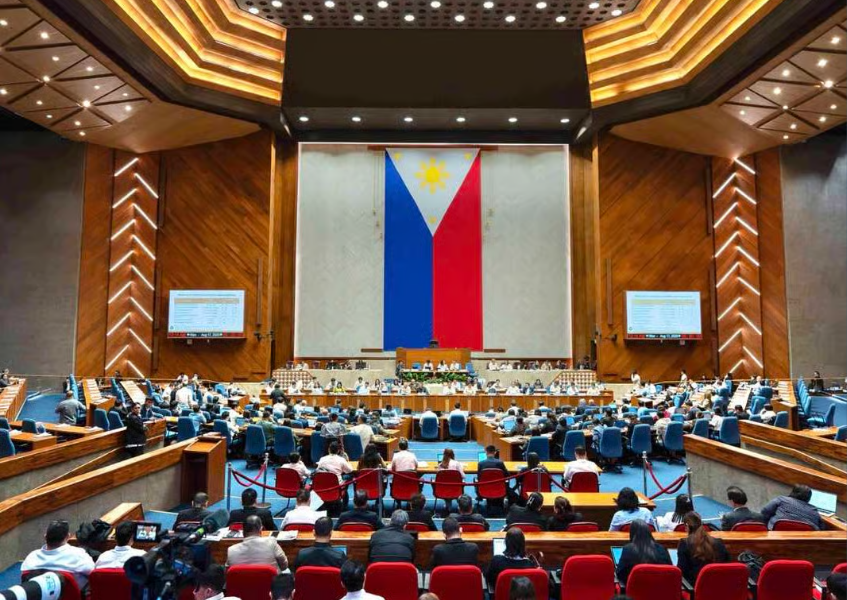
Lawmakers have welcomed the Supreme Court’s (S.C.) decision striking down key provisions of the 2024, 2025, and 2026 national budgets, renewing calls for stricter oversight of government spending as the Senate reviews the proposed 2027 budget.
In its 121-page decision released on Oct. 20, the high court ruled that Congress committed grave abuse of discretion by exceeding the constitutional limit on total appropriations recommended by the executive branch. The ruling invalidated congressional increases amounting to ₱449.5 billion in 2024 unprogrammed appropriations, a ₱17.99-billion addition to the 2025 Special Road Fund, and key provisions governing standby funds under the 2026 General Appropriations Act.
Senator Panfilo Lacson described the decision as timely, saying it could influence the Senate’s scrutiny of the House-approved version of the 2027 General Appropriations Bill.
Sen. Lacson warned that disagreements between the two chambers could emerge as senators examine what he described as red flags in the proposed spending plan. He pointed particularly to possible changes involving Foreign-Assisted Projects and flood control allocations, where the Senate may revisit cuts and realignments introduced by the House.
He also compared the invalidated budget provisions to the Supreme Court’s landmark ruling against the Disbursement Acceleration Program under the 2013 national budget, describing the 2024 and 2025 budgets as among the worst ever passed by Congress.
However, Sen. Lacson clarified that the ruling does not automatically reverse expenditures already made. Funds that remain unspent may no longer be disbursed under the invalidated provisions, while amounts already spent cannot be invalidated retroactively.
Meanwhile, former Senator Leila de Lima, a co-petitioner in the consolidated challenges against the 2026 unprogrammed appropriations, said the ruling could help prevent the misuse of public funds for personal and political interests.
Ms. De Lima argued that unprogrammed appropriations had expanded since the 2022 budget, allegedly becoming a means of accommodating favored projects and redirecting substantial sums outside the intended budgetary process.
She welcomed the court’s action as a step toward closing what she described as a loophole for fiscal abuse.
The decision comes as Congress prepares to deliberate on the 2027 spending plan, placing renewed attention on the constitutional limits of legislative budget adjustments and the need for transparency in allocating public funds.