By Edilina Keithleen Barroga, Keith Candice Diño Marking the beginning of a month-long devotion, a program was held at the school quadrangle during the morning ceremony to officially launch the Month of the Holy Rosary. To start, the program began with a doxology led by the Salindayog Cultural Dance Troupe, setting a reverent tone for…



A Rising Degree, A Dying Sea
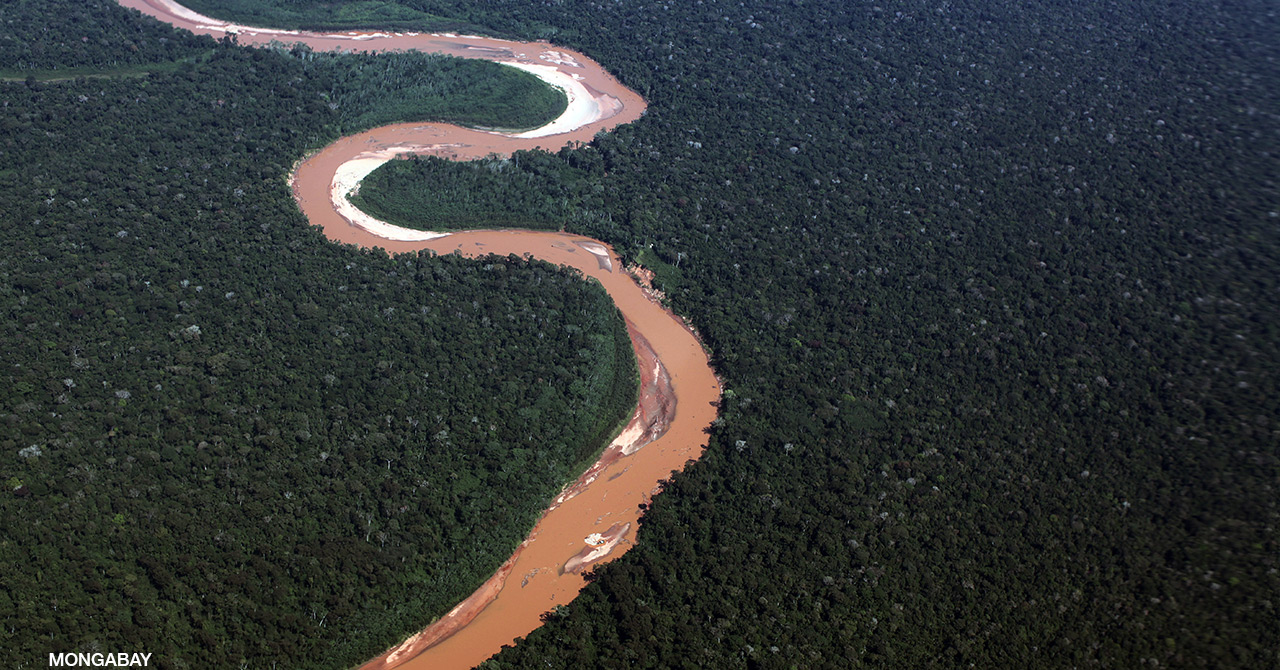
Photo via Mongabay
As the ice melts a little faster and the earth burns hotter, the freshwater chokes a lot harder—speeding us to a suffocating disaster.
Long gone are the days where global warming and climate change were considered a future problem. In today’s time, it is an undeniable chaotic reality that we must face. From the centuries of humanity’s alarming actions, the earth is slowly reaching its limit. The planet cries of rising flames and surges through waves to make it feel the same pain in every degree that it gains.
To truly grasp the situation, we have to look at the main crisis. Climate change is the significant shift in global temperature and weather patterns. Global warming is the long-term rapid increase of the earth’s temperature, and humanity ignited these flames a lot worse over the past decades, such as burning fossil fuels, cutting down trees, and trapping greenhouse gases in the atmosphere. It is almost as if the planet is wrapped in a blanket, leaving it with no choice but to turn into an unpredictable beast.
The same crisis that is burning our forests and melting glaciers is doing something more dangerous to water life. Beneath the streams, creeks, and rivers, our running water is being deprived of breathing. Constant weather shifts and rising temperatures drain rivers of oxygen, which is vital in sustaining freshwater life. It is a crisis that threatens to choke not only the river but also the life beneath it.
A study published by Science Advances reported an analysis of the decades of data collected from 21,439 rivers, which revealed that 79% of the rivers are actively losing oxygen, and tropical rivers across India and America were found to be the worst-hit areas due to their already low oxygen level and naturally warm degrees, with just a spike in temperature immediately triggering a graver oxygen depletion.
This occurrence is a slow, painful poison for both the water and the ecosystem depending on it. Oxygen is the currency of a healthy river, and a decline in these can fuel survival mode from microorganisms to apex predators. When oxygen levels plummet, highly sensitive aquatic life, including fish and amphibians, becomes more susceptible to stress and vulnerability to diseases, leading to deaths of marine life.
If this trajectory continues, the future of a healthy and bright life for running water remains ultimately blurry. Although water merely covers 1% of the earth’s surface, it is home to more than 10% of animal life, and the danger to their habitat risks losing the rich biodiversity of our planet and destroying global freshwater fisheries that feed millions, turning our life-giving resources into toxic channels.
The clock is ticking loudly for global communities, and the pressure to bring a change must reach us. Once we ignore prioritizing oxygen preservation, our planet’s vital lifelines will completely flatline.
If we don’t stop the flames that burn our water, we will eventually find ourselves victims of the same suffocating disaster.