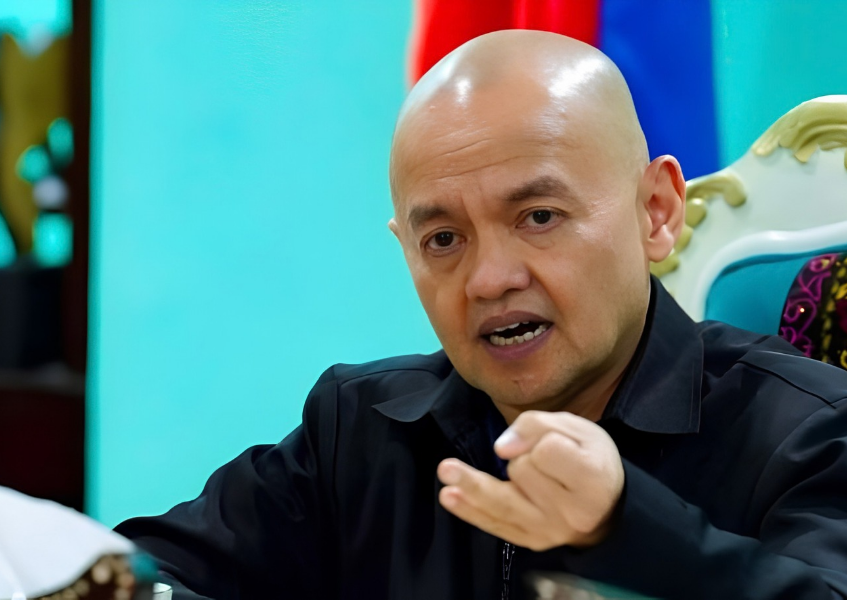
The International Criminal Court (I.C.C.) has given prosecutors permission to use a previously recorded statement from a witness in the murder and crimes against humanity trial of Former President Rodrigo Roa Duterte (F.P.R.R.D.). In a ruling released on Oct. 2, Trial Chamber III agreed to the prosecution’s request to submit the written testimony of a…


Accountability’s test of truth and democracy
Layout by Czophia Cruz
When justice is on the line, rushing has no place. A heavy silence hangs over the nation as the first pieces of evidence are laid bare. In a case that could shape public trust in public institutions, every piece of evidence matters. The pursuit of truth must arrive faster.
In a democracy, no public official is above transparency. The impeachment trial exists not to attack, but to protect the integrity of public administration. Vice President Sara Duterte, as one of the highest-ranking leaders in the country, and must be subjected to the same standards of accountability and responsibility expected of all public officials.
Democracy depends on fairness. Based on a statement, the pretrial conference for the impeachment case against Duterte is set to be extended for one more day after the checking of evidence remained unfinished on its second day Monday, June 22, due to extensive documentation. Rushing the process would risk overlooking important details and weakening public trust in the justice system.
Moreover, Senate Secretary and impeachment court clerk Rey Bantug Jr. reported Article 1, which concerns the alleged misuse of confidential funds, includes 4,000 documents. The evidence involved is an overwhelming amount to review. This cannot be upheld if it is not backed by a full and careful review of all evidence.
Furthermore, the House of prosecution panel and Duterte’s representatives submit their agreed facts, witness lists, and evidentiary records to determine how the impeachment trial will proceed. This should ensure balance and fairness, or else the legitimacy of the trial itself may be questioned.
Justice cannot be rushed. The impeachment trial is not just a political drama playing out in the halls of Congress; it is a test of the country’s democracy. It must be guided not by political retaliation, but by the unwavering pursuit of truth. The strength of our nation depends on the principle that no one—no matter how high their office—is above the law.
Upholding the rule of law demands more than just political talk; it requires concrete action. The government should strengthen judicial independence so that the trial is guided by law and evidence. Thereafter, lawmakers must prioritize accountability over political loyalty to ensure that the trial remains credible. Public institutions should also uphold strict due process to maintain equality in democratic systems. Lastly, the administrations must reinforce checks and balances to guarantee that no official is above scrutiny under the law. At this point, implementation is no longer optional but necessary to protect public credibility.