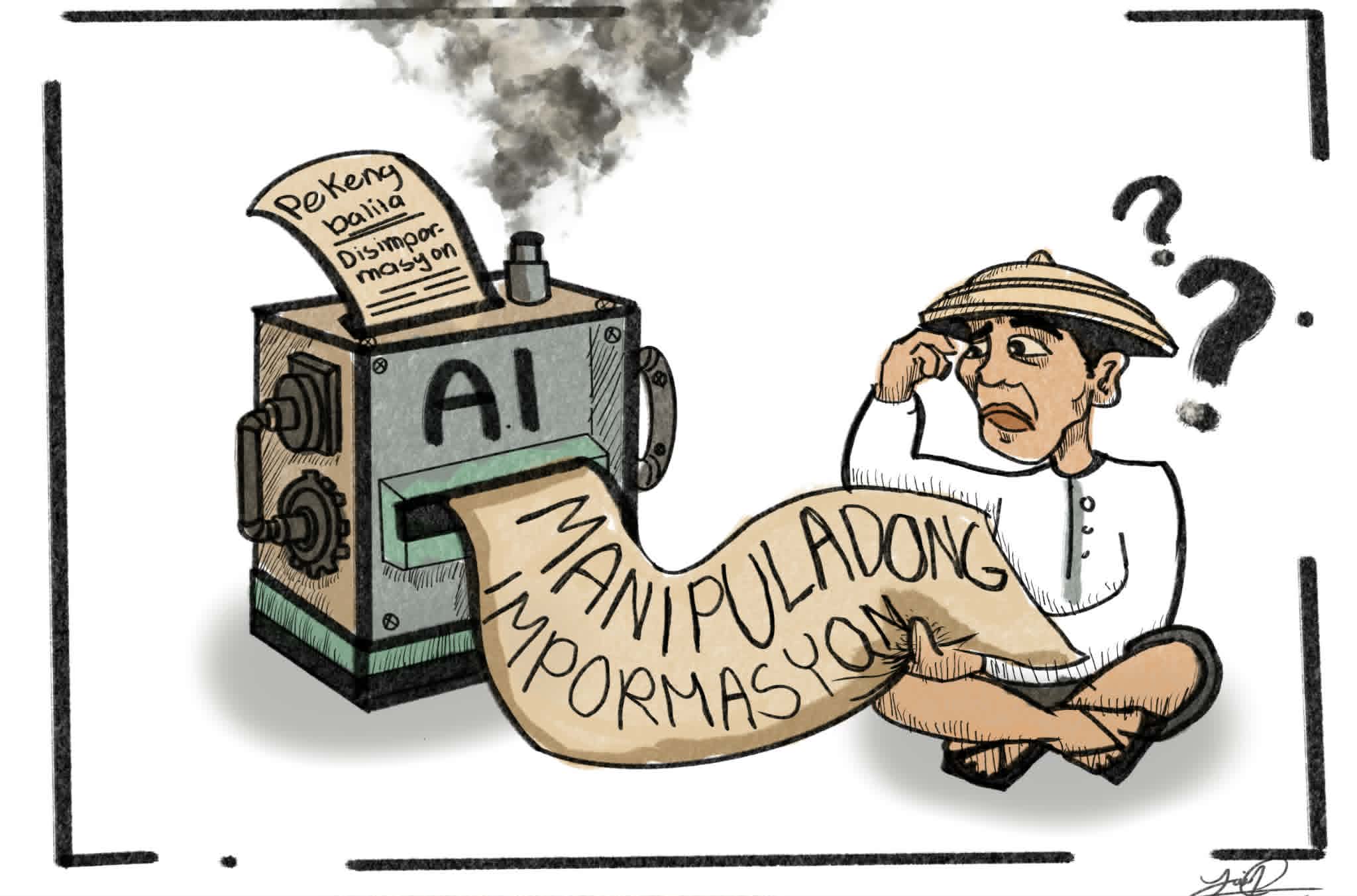
The International Criminal Court (I.C.C.) has given prosecutors permission to use a previously recorded statement from a witness in the murder and crimes against humanity trial of Former President Rodrigo Roa Duterte (F.P.R.R.D.). In a ruling released on Oct. 2, Trial Chamber III agreed to the prosecution’s request to submit the written testimony of a…


The bite of danger
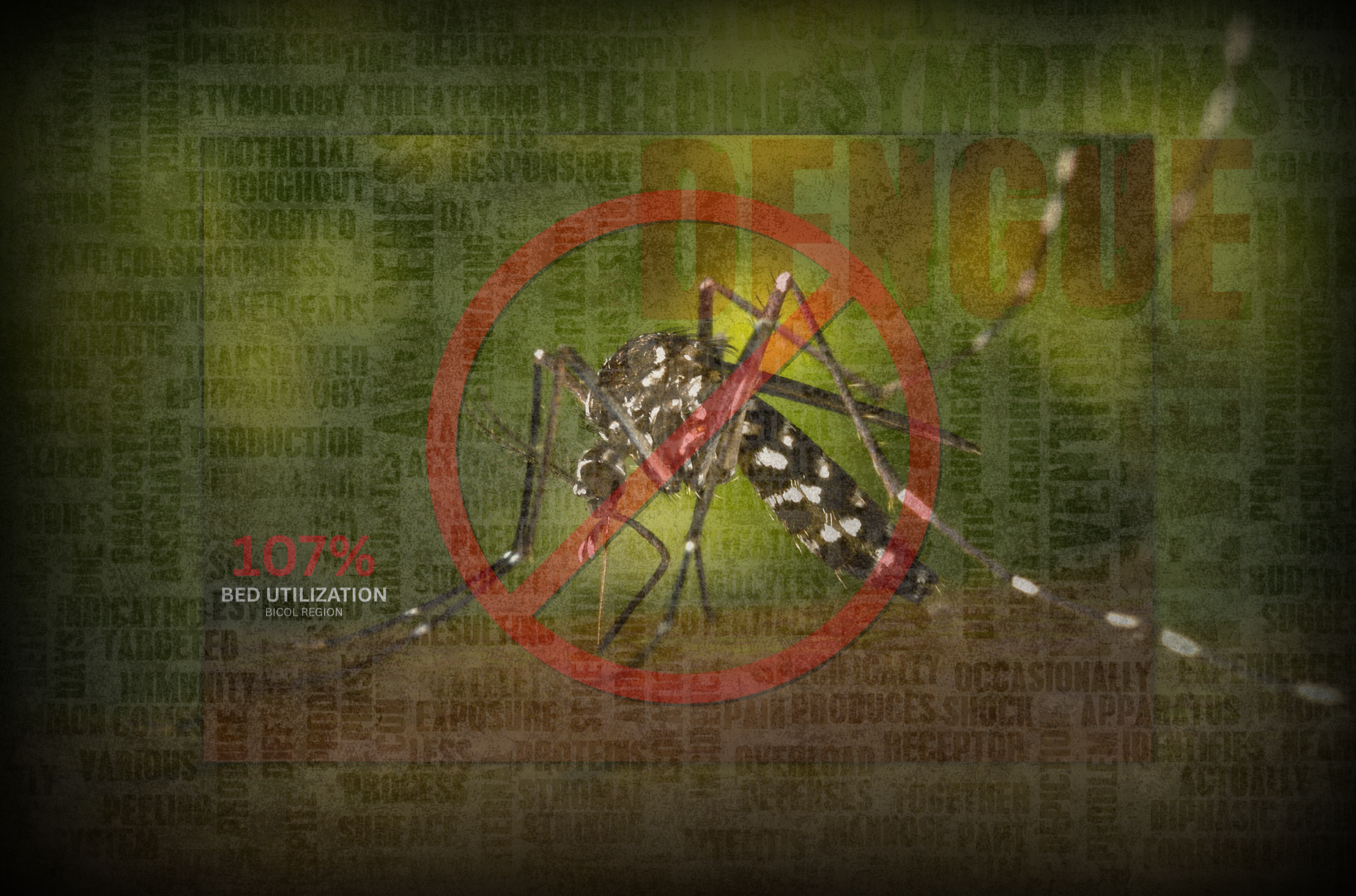
A tiny insect may be small enough to fit between two fingers, but the disease it carries can be powerful enough to put someone in a hospital bed. Even though we might be tempted to swat it away and pass it on, Bicol’s most recent dengue cases are making it much more difficult to ignore that mosquito.
From the beginning of the year to September 5, 2026, the Bicol Region recorded 2,167 dengue cases which is 19% higher than the same period last year. The increase was serious enough for the Department of Health Bicol Center for Health Development to raise the region to a Code Blue alert on September 18.
Perhaps the most alarming number is not 19%. It is 107%.
As of September 17, 2026, the overall dengue bed utilization rate in the Bicol Region has reached 107%, indicating that the current bed capacity has been exceeded. Patients in need of care, families awaiting updates, and healthcare professionals juggling an increasing workload are all behind that percentage. The numbers are no longer just statistics on a report; they represent real people whose lives have been interrupted by a disease that can often be prevented.
This is the point at which I think we need to change our perspective on dengue.
Too often, dengue prevention becomes a yearly reminder that we hear, nod to, and eventually forget. We are told to throw away stagnant water, clean our surroundings, and protect ourselves from mosquito bites. The importance then fades after the rainy season ends or dengue is no longer discussed in the news. We approach prevention as if it were a fire alarm, something we should only pay attention to once the smoke has filled the room.
I believe that this mindset should be changed.
The Department of Health (DOH) Bicol Cordillera Health Division (CHD) issued a regional memorandum 2026-0165 formally raising the Code Blue Alert to step up preparedness and response measures. It directed all DOH hospitals, Provincial DOH Offices, Health Emergency Management Services Point Persons, and disaster risk reduction and management in health coordinators to remain on high alert and readiness and to provide flash reports on dengue-related incidents and health emergencies.
Yet government action alone cannot make every backyard, classroom, street, and neighborhood mosquito-free.
A government can issue a warning but it can’t check every flower pot. A hospital can get ready with more beds but it can’t stop all the mosquitoes. Health workers can help educate, but they can’t clean all the old things in the park that are holding rainwater. Prevention will come not from governments or hospitals, but from ordinary citizens doing a few simple things.
And that is exactly why for me dengue is among the most terrifying public-health issues we still have. As I have noticed, only when the number of infected increases or when someone around gets sick do we start to worry. We get educated on ways of preventing the disease, like throwing away all the unnecessary water containers and avoiding mosquito bites, but it all seems so mundane that we do not really care. I think that is the point where we, as a community, should intervene. Not only the government but each one of us should take responsibility. Fighting dengue fever requires a bigger effort than we are used to, although the enemy seems small.
For me, prevention should not start when the hospitals are already filled with patients. Every household can spend a few minutes checking their flowerpots, containers, drains, and other water-collecting places. The students can go beyond just creating dengue-awareness posters, they can start practicing dengue prevention at their homes and in their communities. Communities can do clean-up activities rather than waiting for the number of dengue cases to rise before doing something about it. These are just some little things that I think can help control dengue.
After all, even little things can make a big difference if the whole community does something about it. If every individual just waits for someone else to do something and does nothing by themselves, then the cases of dengue will never stop. If everyone just does their part in helping prevent dengue, then maybe, just maybe, we can stop that little mosquito from becoming a big problem.
It is small enough to ignore, but the consequences of ignoring it can be enormous. Bicol’s dengue situation reminds us that public health is not protected by statistics alone, nor by alerts alone, nor by hospitals alone. It is protected when people decide that prevention is worth doing before there is a reason to panic. That mosquito may be tiny—but if we continue to ignore the places where it breeds, we should not be surprised when a small problem grows into a much bigger one.