

The International Criminal Court (I.C.C.) has given prosecutors permission to use a previously recorded statement from a witness in the murder and crimes against humanity trial of Former President Rodrigo Roa Duterte (F.P.R.R.D.). In a ruling released on Oct. 2, Trial Chamber III agreed to the prosecution’s request to submit the written testimony of a…

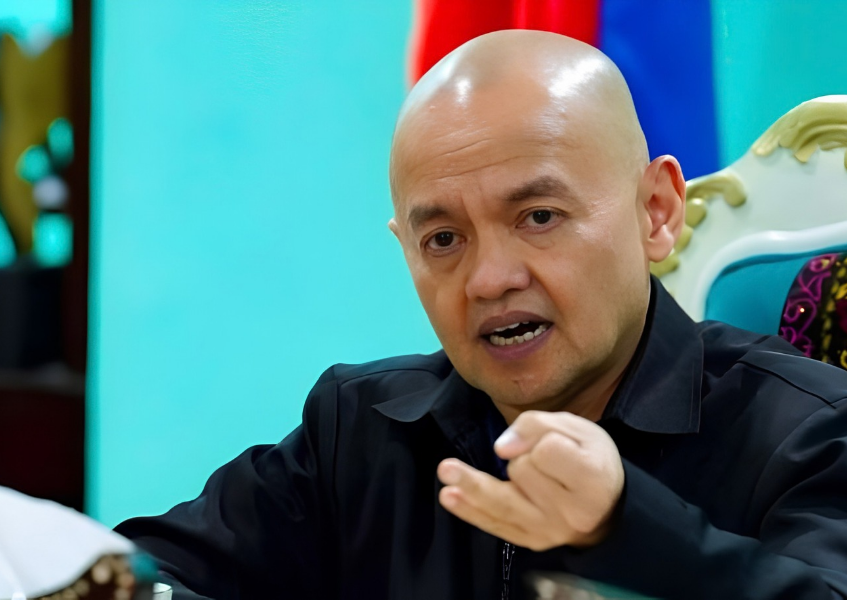
Legal Groups Urge PH Not to Reject ICC Cooperation
Filipino legal organizations representing victims of former President Rodrigo Duterte’s anti-illegal drug campaign have urged the Philippine government not to reject cooperation with the International Criminal Court (I.C.C.), warning that doing so could undermine efforts to secure justice for victims of alleged crimes against humanity.
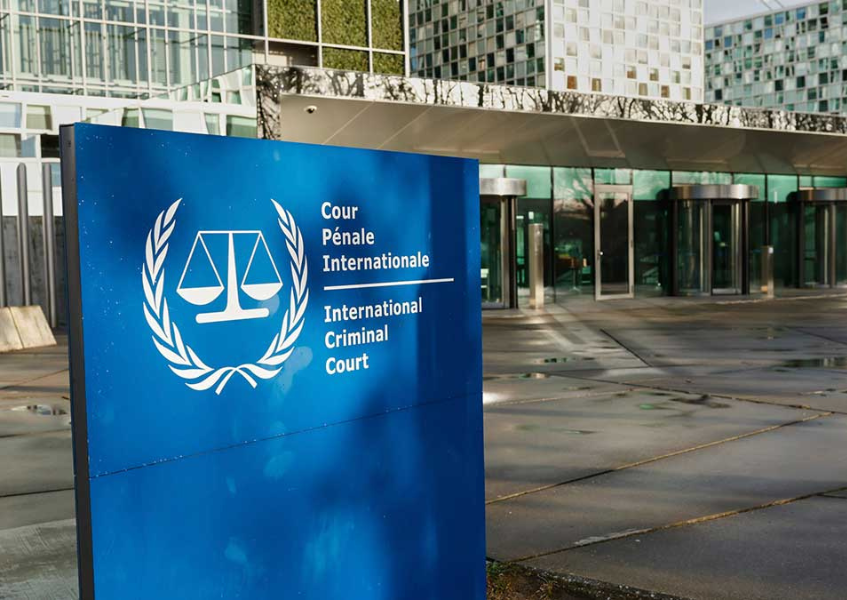
The appeal came after the United States (U.S.) intensified its campaign against the I.C.C. by urging allied nations to withdraw their political and financial support for the Hague-based tribunal.
U.S. Secretary of State Marco Rubio said Washington would closely monitor which countries would join its campaign against the I.C.C., signaling a renewed effort by President Donald Trump’s administration to isolate the international court.
Sec. Rubio is expected to visit Manila this week to participate in meetings with foreign ministers of the Association of Southeast Asian Nations (ASEAN), bringing renewed attention to the Philippines’ relationship with the I.C.C. amid ongoing discussions on international justice and accountability.
In response to the U.S. position, the National Union of People’s Lawyers (N.U.P.L.) reiterated its call for the Philippines to rejoin the Rome Statute, the treaty that established the I.C.C. after the country formally withdrew from it in 2019.
The group argued that efforts to weaken or undermine the court threaten decades of progress in strengthening international law and ensuring accountability for grave human rights violations.
The N.U.P.L. also criticized Mr. Trump’s administration renewed campaign against the I.C.C., describing it as an attack on the international legal system established to prosecute genocide, war crimes, crimes against humanity, and other serious offenses when national justice systems are unable or unwilling to act.
Meanwhile, CenterLaw, led by I.C.C.-accredited lawyers Joel Butuyan and Gilbert Andres, emphasized that the I.C.C. remains an important avenue for victims seeking justice when domestic authorities fail to conduct credible investigations or prosecutions.
According to the organization, the court’s substantive and procedural framework provides victims with effective legal remedies against individuals accused of international crimes that have not been adequately investigated or prosecuted by the concerned state.
The I.C.C.’s investigation into the Philippines centers on allegations of crimes against humanity committed during Mr. Duterte’s anti-illegal drug campaign.
Mr. Duterte was arrested by Philippine authorities in March 2025 pursuant to an I.C.C. arrest warrant and was transferred to the I.C.C. Detention Centre in The Hague, Netherlands, where he remains in custody pending judicial proceedings.
The court has also issued an arrest warrant for Senator Ronald “Bato” dela Rosa, Duterte’s former chief of the Philippine National Police (P.N.P), identifying him as an alleged co-perpetrator in the crimes against humanity case. Sen. dela Rosa has repeatedly denied the allegations against him.
In a statement marking the Day of International Criminal Justice on Friday, I.C.C. President Tomoko Akane underscored the importance of protecting the international rules-based legal order amid growing political pressure on the tribunal.
“In recent years, international law has come under increasing pressure, through both direct attacks and a weakening of the commitment to uphold it. It has never been more important than it is today to defend the international rule of law and to continue the pursuit of justice,” Mr. Akane said.
Mr. Akane, a Japanese jurist who assumed the I.C.C. presidency in 2024, also emphasized the importance of sustained international cooperation in supporting the court’s mandate.
Japan remains the I.C.C.’s largest financial contributor through the Assembly of States Parties, the governing body of countries that have ratified the Rome Statute and provide funding for the tribunal.
The developments have renewed public discussion over the Philippines’ relationship with the I.C.C., as legal and human rights groups continue to call for accountability while the Philippine government has yet to announce any policy shift regarding its engagement with the court.
Although the Philippines withdrew from the Rome Statute in 2019, the I.C.C. has maintained that it retains jurisdiction over alleged crimes committed while the country was still a State Party to the treaty.
The Philippines has not rejoined the Rome Statute, and the positions expressed by the legal groups remain advocacy statements rather than official government policy.