The International Criminal Court (I.C.C.) has given prosecutors permission to use a previously recorded statement from a witness in the murder and crimes against humanity trial of Former President Rodrigo Roa Duterte (F.P.R.R.D.). In a ruling released on Oct. 2, Trial Chamber III agreed to the prosecution’s request to submit the written testimony of a…



A Sucker for Metal
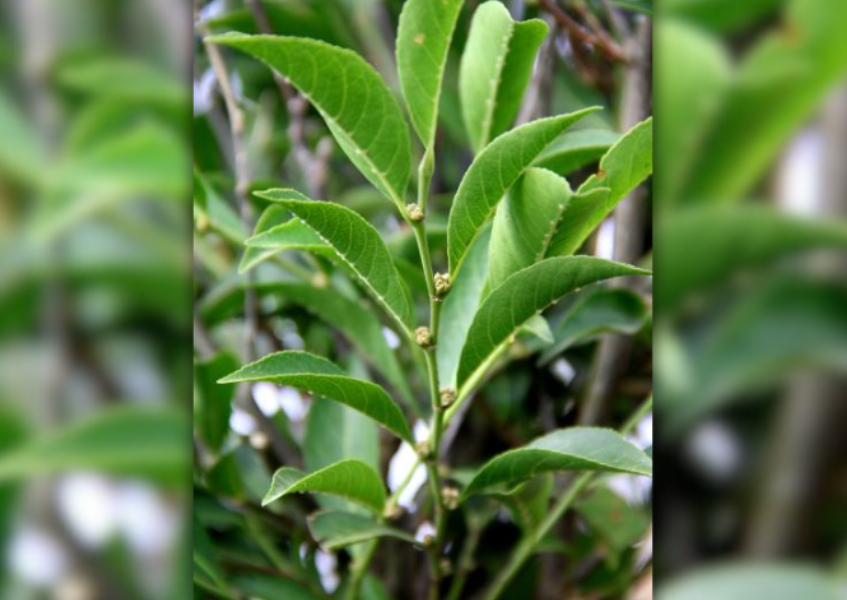
Photo via Dr. Edwino S. Fernando
Ignore the dosage—this plant certainly does not mind the extra metals.
Whether the soil is filled with excess nickel or other heavy metalloids, the species gulp them down like no other flora could ever do. Earth’s natural cleaner is here, ready to suck the metal away.
Breaking the spotlight is the Rinorea niccolifera, a metal-munching plant recently discovered by scientists in the western part of Luzon. It has a high tolerance towards harmful environments and soils, while also having the unique ability to hyperaccumulate metallic substances at an incredibly high level of up to 18,000 micrograms, thousands more compared to other plants.
According to Dr. Augustine Doronila of the School of Chemistry, University of Melbourne, and a co-author on the research report of the species, hyperaccumulator plants like Rinorea can be used for developing green technologies, like phytoremediation and phytomining.
These innovative ideas put the gifted talent of the plant into better use, utilizing it to clean contaminated soils with toxic amounts of nickel, or even as a way to harvest these metals for commercial purposes.
Besides its other possible uses, the species also thrive in metal-rich soil environments, adding on to the already remarkable abilities it possesses.
Showing promising signs, the plant, if more abundant, can become earth’s natural cleaner, a tool for ecological restoration and environmental cleanup.
Because of its versatility in the environment, adaptability in poisonous surroundings, and offering potential for a greener future, Rinorea niccolifera is truly a one-of-a-kind plant, adding to the great discoveries of the Philippines and the world as a whole.
Rinorea’s lasting impact truly can make a difference. While the plant really is a sucker for metal, its conceivable influence to both Mother Nature and society cements the legacy for the species.