The International Criminal Court (I.C.C.) has given prosecutors permission to use a previously recorded statement from a witness in the murder and crimes against humanity trial of Former President Rodrigo Roa Duterte (F.P.R.R.D.). In a ruling released on Oct. 2, Trial Chamber III agreed to the prosecution’s request to submit the written testimony of a…



Slipped Chances
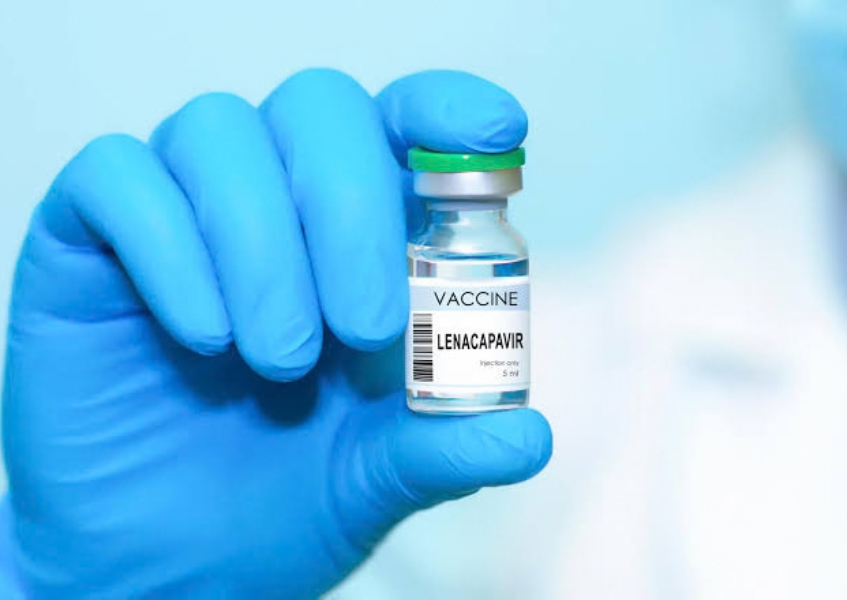
Photo via Getty Images
A disease that was once so utterly feared throughout an entire continent, that caused widespread discrimination against homosexual men has now been brought to heel with the advent of medicine. It is currently being managed rather thoroughly, even if there is currently no available cure.
So, what exactly is Human Immunodeficiency Virus (HIV)? It is a virus that attacks the immune system, specifically the body’s CD4 white blood cells which direct our body’s immune system to defend against germs and infections.
If those cells get destroyed, then we have no defense against infections, and we can say goodbye to a long and healthy life.
Now, one of the most common ways HIV spreads is through sexual intercourse without using protection, because that allows specific bodily fluids (blood, semen, vaginal and rectal fluids, and breast milk) to enter into another person.
Another way for it to spread is through the use of contaminated syringes and needles or from mother-to-child, either when the mother is pregnant, breastfeeding, or giving birth.
If it is left untreated, then it will evolve into Acquired Immunodeficiency Syndrome (AIDS), the most severe form of HIV. Here, it is now a clinical condition wrought by extreme damage to the immune system.
How terrifying and how fortunate then, that we live in the 21st century where HIV can now be managed with medicines. Specifically, antiretroviral therapy (ART), which consists of pills or long-lasting injections that stops the virus in its tracks, suppressing it so much that the virus becomes undetectable. If it is undetectable, then it is untransmittable.
In its report, the World Health Organization (WHO) recommended a drug, lenacapavir, to manage and prevent the spread of HIV due to its longevity, lasting for 6 months before needing another dose.
The drug lowers the risk of getting HIV in uninfected individuals, and is used in tandem with other medicines to treat drug-resistant HIV. It binds to the protein shell, preventing the virus from entering it and making dozens of copies that attack the body’s immune system.
This recommendation is especially valuable as our country, the Philippines, has one of the fastest-growing HIV rates in the Asia- Pacific region. Approximately 51 to 55 new HIV cases are being reported each day, with around 95% of reported cases as a result of men having sex with men.
Yet due to the social stigma surrounding the disease, many are afraid to get help and as such, receive late diagnosis, causing HIV to evolve into AIDS, even if treatment is available at government-run clinics.